

How it is built
Engineering breakdowns of our projects: rates, soils, crossings and what the timeline is made of.
-
FOCL
Rural internet: what it actually takes to connect
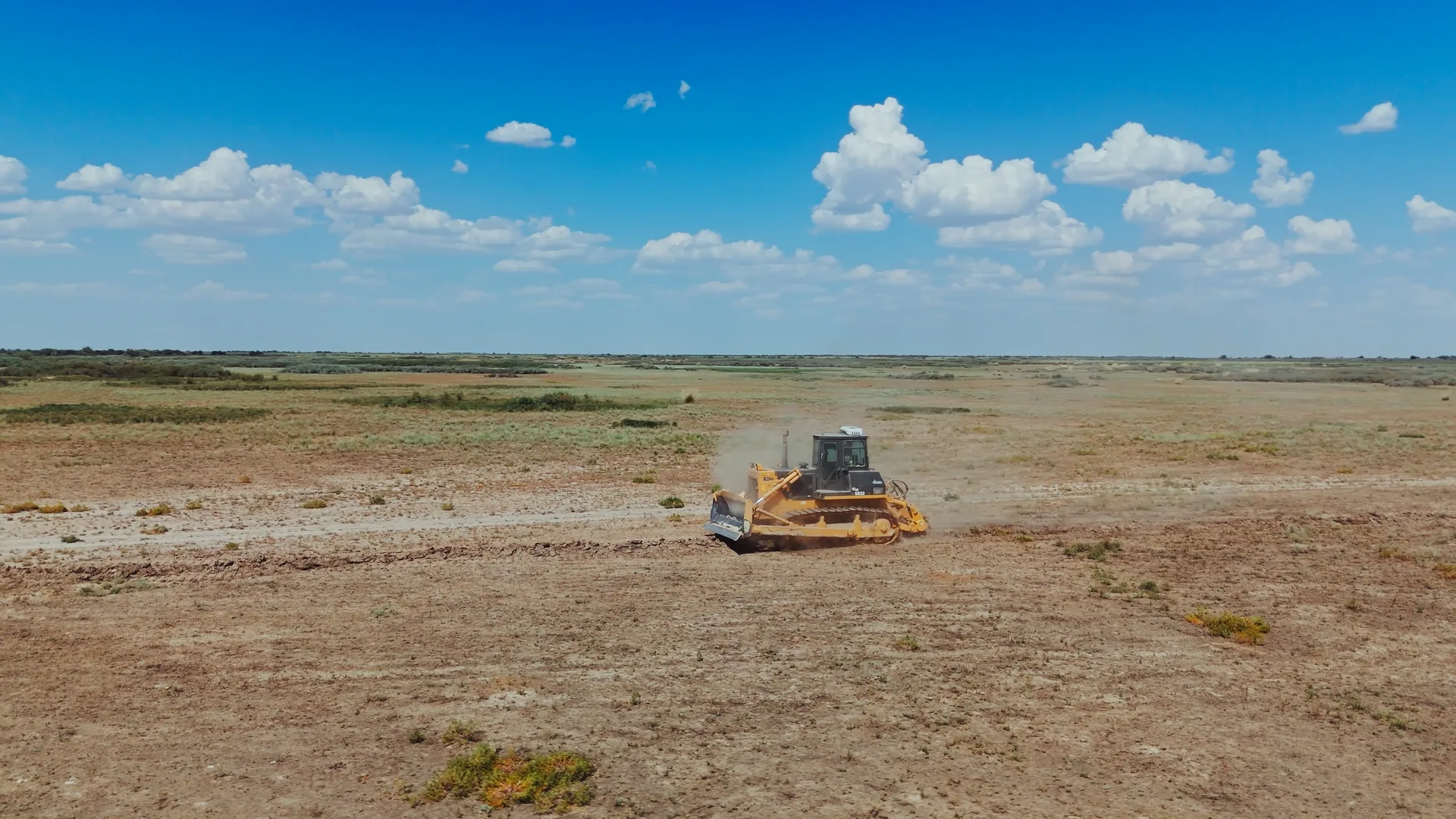
Route length alone does not describe a connection project. In three of our projects each household in the coverage area accounts for about the same 21–22 m of route, yet the work is different. A feeder line between settlements and a distribution network inside a settlement differ in volumes, equipment, logistics, and timelines, so a project is assessed by its mix of work, not by kilometres alone.
Read article -
FOCL
West–East backbone: what the build actually takes
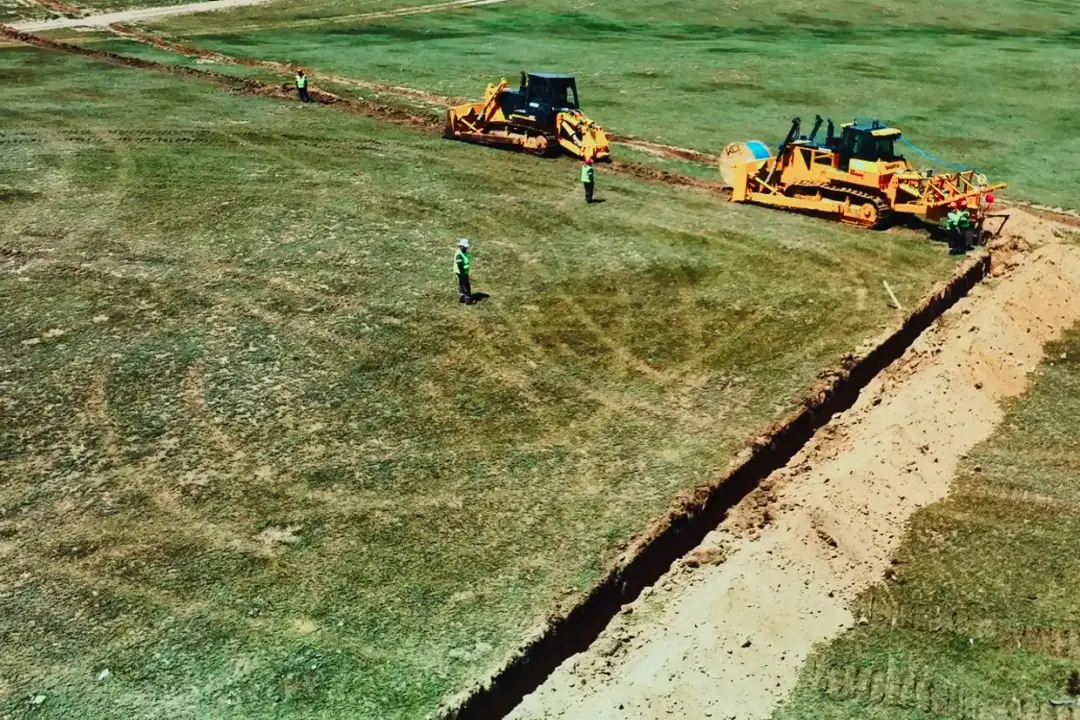
Kilometrage alone is not enough to estimate a backbone build timeline: length sets the volume of work, while the pace depends on soil category, the number of crossings, logistics, and site conditions. A light column covers up to 30 km a day in category 1–2 soils; in category 3–4 soils heavy columns work coupled and together cover up to 40 km a day; and every crossing under a river or a railway is a separate operation. From August to December 2025 we laid 942 km of backbone FOCL in the ground: 577 km on the western direction and 365 km on the southern.
Read article
Newsletter
New sites and equipment - by email
Completed projects, new equipment and permits - brief, and only when there is something to show. Unsubscribe in any email.